
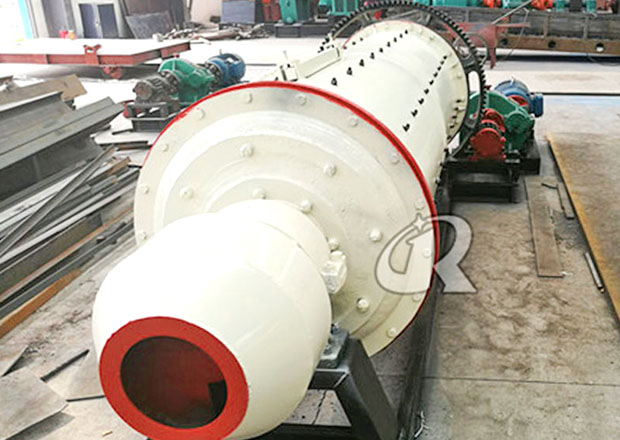
Ore Ball Mill
Applicable Material
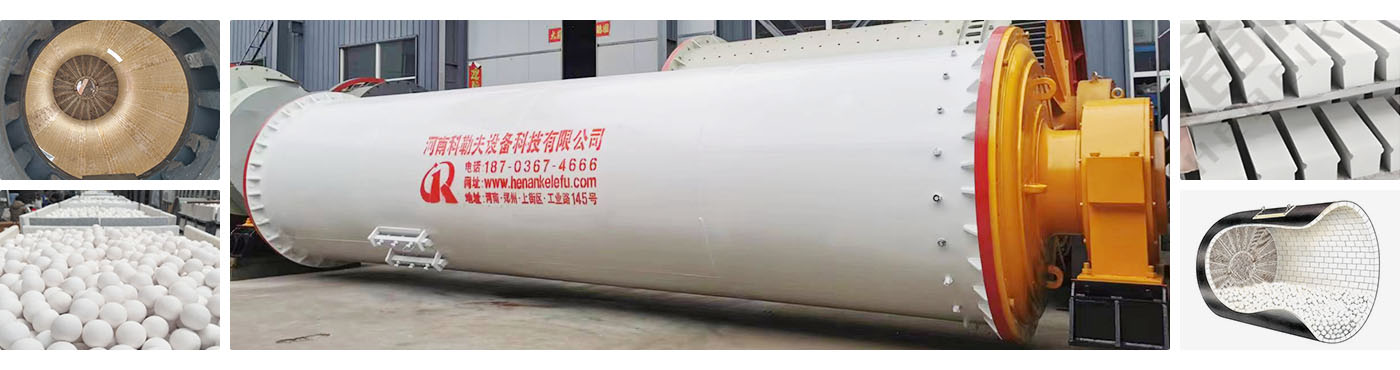
In mineral processing, the ball mill is the core equipment for grinding crushed ore to the fineness required for beneficiation. Whether for gold ore, copper ore, iron ore, lead-zinc ore, molybdenum ore, nickel ore, tin ore, tungsten ore, or manganese ore, the performance of the ore ball mill directly affects mineral processing indices, recovery rates, and production costs.
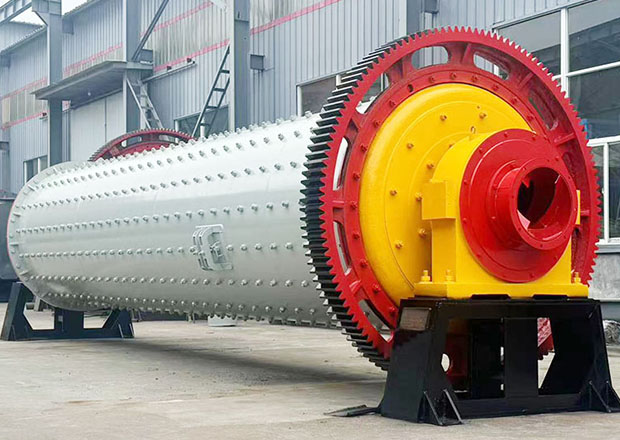
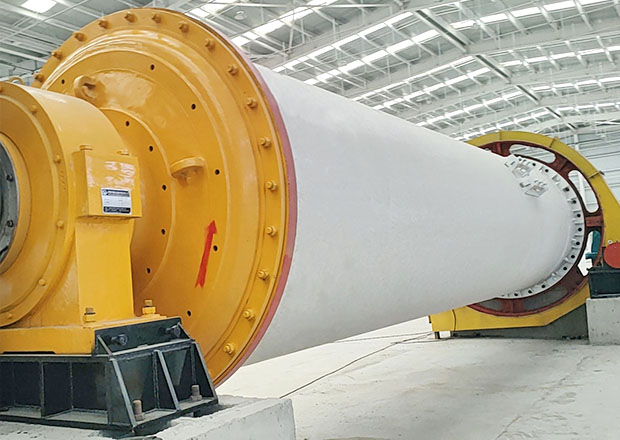
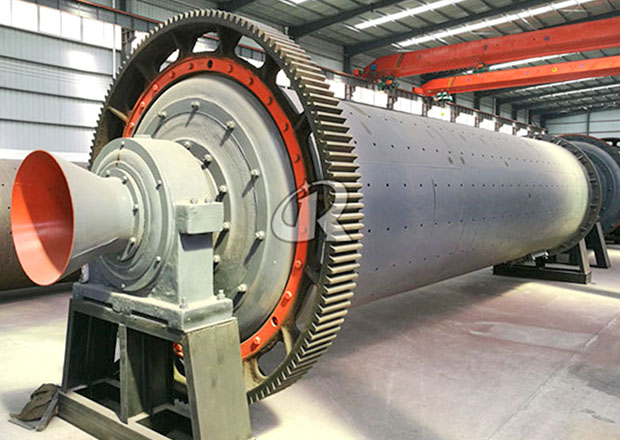
Our ore ball mill is specifically designed for mineral processing plants, available in wet grate type, wet overflow type, and dry grate type configurations to meet different ore characteristics and process requirements. Featuring rolling bearing transmission, high-manganese/wear-resistant liners, and optimized cylinder speed and ball charge ratio, it ensures high grinding efficiency while significantly reducing energy consumption. The equipment can be equipped with automatic ball charging systems, intelligent control systems, and hydrostatic bearing lubrication systems for unattended continuous operation, greatly lowering operating costs.
The ore ball mill is widely used in the following mineral processing applications:
| Mineral Type | Typical Applications | Grinding Type | Value Proposition |
|---|---|---|---|
| Gold Ore | Gold ore, gold-bearing quartz veins | Wet overflow type | Fine grinding to flotation fineness, improves gold leaching rate |
| Copper Ore | Chalcopyrite, chalcocite, porphyry copper | Wet grate/overflow type | Provides qualified particle size for flotation, increases copper recovery |
| Iron Ore | Magnetite, hematite, limonite | Wet grate type | Fine grinding for magnetic separation or flotation, improves iron concentrate grade |
| Lead-Zinc Ore | Galena, sphalerite | Wet overflow type | Selective grinding prevents over-grinding |
| Molybdenum Ore | Molybdenite | Wet overflow type | Fine grinding for flotation, improves molybdenum concentrate grade |
| Nickel Ore | Pentlandite, laterite nickel ore | Wet grate type | Fine grinding for flotation or acid leaching, improves nickel recovery |
| Manganese Ore | Pyrolusite, psilomelane | Dry/wet grate type | Fine grinding for magnetic separation or gravity separation |
| Tungsten/Tin Ore | Wolframite, cassiterite | Wet grate type | Fine grinding for gravity separation, prevents over-grinding |
| Cement/Building Materials | Cement clinker, slag, coal powder | Dry grate type | Grinding to product fineness |
Product Features
Rolling Bearing Transmission
Large rolling bearings replace traditional sliding bearings, reducing starting resistance and increasing transmission efficiency by 10%-15%, significantly lowering energy consumption
High-Wear-Resistant Liners
Cylinder liners made of high-manganese steel, alloy steel, or rubber offer long service life, with replacement cycles of 12-24 months
Optimized Ball Charge
Scientifically designed grinding media gradation based on ore hardness, feed size, and target fineness improves grinding efficiency and reduces steel consumption
Intelligent Control System
Optional PLC automatic control system monitors parameters such as current, temperature, and oil pressure in real time, enabling automatic ball charging, alarms, and protection
Multiple Discharge Types
Available in grate type (for coarse grinding, high throughput) and overflow type (for fine grinding, finer particle size) to suit different process requirements
Modular Design
Wear parts such as liners and diaphragms are modularly designed for easy replacement, minimizing maintenance time and downtime losses
Energy-Efficient & Eco-Friendly
Fully sealed structure with dust collection system ensures compliant dust emissions; rolling bearings reduce energy consumption; rubber liners reduce nois
Turnkey Engineering Service
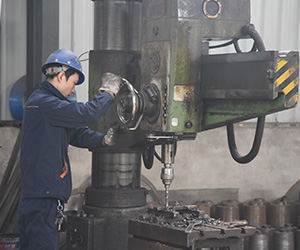
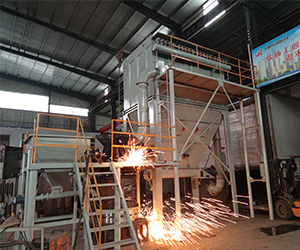
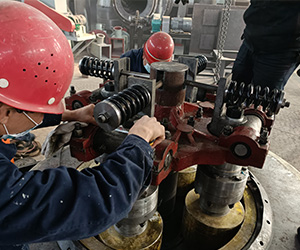
Complete solutions from selection design and equipment manufacturing to installation, commissioning, and personnel training
Working Principle
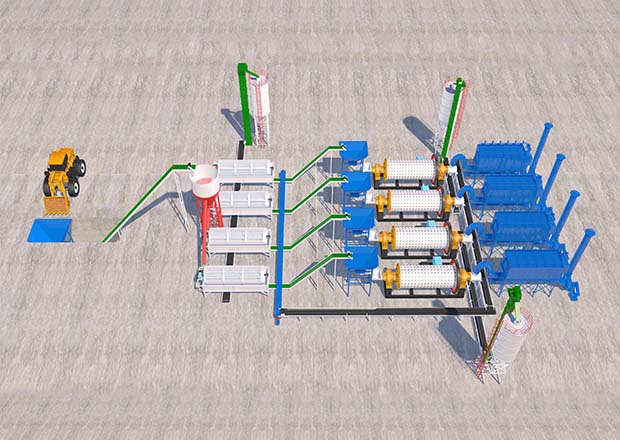
The working principle of the ore ball mill is based on impact and attrition. Its core structure is a horizontally rotating cylinder containing grinding media (steel balls) and the ore material to be ground.
1. Cylinder Rotation
A motor drives the cylinder to rotate via a reducer. The inner wall of the cylinder is lined with wave liners or step liners that lift the grinding media and material to a certain height.
2. Impact & Attrition
When the grinding media reaches a certain height as the cylinder rotates, it falls under gravity, producing impact crushing on the material. Simultaneously, the relative motion between media and material, and between media and cylinder liners, creates attrition that further fines the material.
3. Material Flow
Wet Grate Type: Pulp discharges through the grate plate at the discharge end. The cylinder maintains a certain liquid level, suitable for coarse grinding with high throughput.
Wet Overflow Type: Pulp overflows from the hollow shaft at the discharge end. The cylinder has a higher liquid level, resulting in longer material retention time, suitable for fine grinding.
Dry Grate Type: Dry material is discharged via airflow or mechanical means, used for dry processes such as cement and slag grinding.
4. Grinding Media Trajectory
By optimizing cylinder speed, liner profile, and ball charge ratio, the steel balls achieve a cascading/cataracting motion (cascading, cataracting, or centrifuging), balancing impact and attrition for optimal grinding efficiency and reduced energy consumption
5. Key Systems
Feeding Device: Screw or drum feeder ensures uniform material feed.
Main Bearings: Rolling bearings or hydrostatic sliding bearings reduce friction energy loss.
Lubrication System: Circulating oil or grease lubrication ensures bearing life.
Control System: Optional PLC automatic control monitors parameters such as current, temperature, and vibration in real time.
Technical Parameter
| Model | Cylinder Dia. (m) | Cylinder Length (m) | Capacity (t/h) | Rotation Speed (r/min) | Motor Power (kW) |
|---|---|---|---|---|---|
| Ф900×1800 | 0.9 | 1.8 | 0.5-1.5 | 36-38 | 15-18.5 |
| Ф900×3000 | 0.9 | 3.0 | 0.8-2.5 | 36-38 | 22 |
| Ф1200×2400 | 1.2 | 2.4 | 1.5-3.5 | 32-36 | 30-37 |
| Ф1200×4500 | 1.2 | 4.5 | 2-5 | 32-36 | 45-55 |
| Ф1500×3000 | 1.5 | 3.0 | 2.5-6 | 28-32 | 75-90 |
| Ф1500×5700 | 1.5 | 5.7 | 4-10 | 28-32 | 110-132 |
| Ф1830×3600 | 1.83 | 3.6 | 6-15 | 24-28 | 130-160 |
| Ф1830×6400 | 1.83 | 6.4 | 8-20 | 24-28 | 210-245 |
| Ф2100×3600 | 2.1 | 3.6 | 12-25 | 21-25 | 210-245 |
| Ф2400×3600 | 2.4 | 3.6 | 15-35 | 18-22 | 320-380 |
| Ф2700×3600 | 2.7 | 3.6 | 20-45 | 16-20 | 400-450 |
| Ф3200×4500 | 3.2 | 4.5 | 35-75 | 14-18 | 630-800 |
| Ф3600×6000 | 3.6 | 6.0 | 60-120 | 12-16 | 1000-1250 |
Company Profile
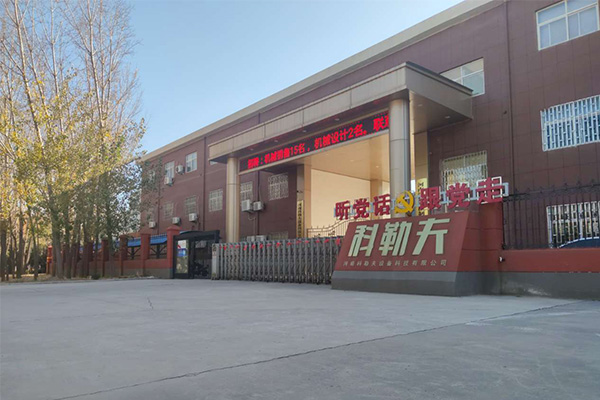
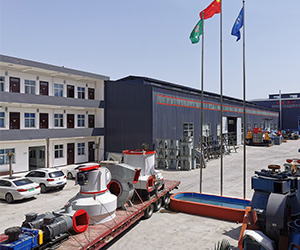
Kolev Equipment Technology Co., Ltd. is a large-scale private technology enterprise. The company is committed to the research and development, production and sales of technical equipment for the mining and metal ore industries. It has been deeply involved in the ultra-fine grinding, industrial drying and crushing sand making industries for many years. We can provide you with Provide intelligent solutions and mature supporting products, focusing on the development of various powder equipment, complete powder production lines, drying production lines, sand and gravel line equipment and projects.Products are sold to 160 countries and regions and are well received by customers.
Kolev Equipment has always been adhering to the business philosophy of surviving by quality and developing by credibility, striving to win the trust of customers with high-quality products and perfect after-sales service, and create a brilliant future for Kolev.